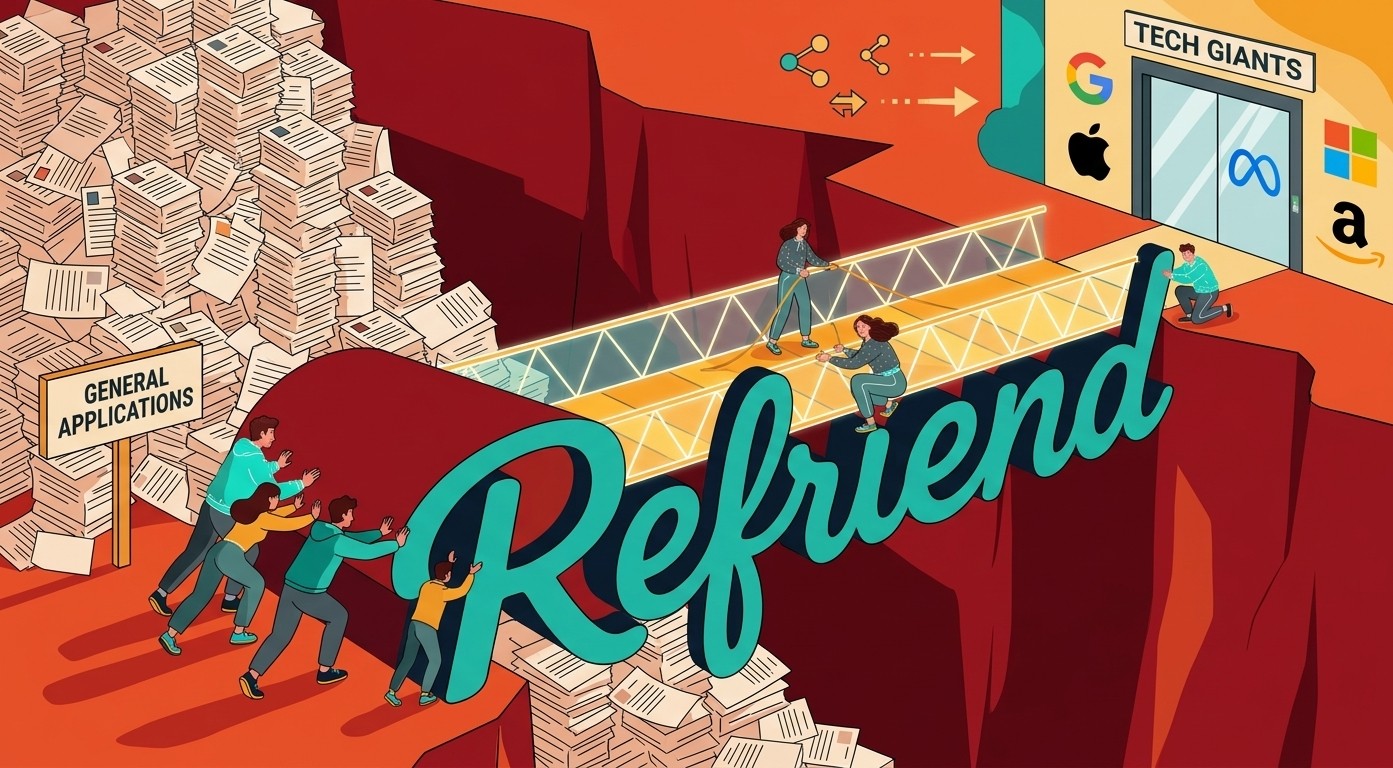
Imagine spending weeks putting your time and energy into a grueling, multi-stage interview process. You sailed through the initial screening, aced a complex technical challenge, and demonstrated clear problem-solving mastery during the deep-dive interviews. Every indicator points to an imminent offer. Then, a cold, automated rejection email lands in your inbox. The underlying reason, whether stated bluntly or veiled in corporate speak: "Your skills are great, but your previous company isn’t on our list of top-tier brands."
This bitter experience is the sting of a pervasive, systemic bias in modern HR: The Brand Snobbery Syndrome. It is an unfair structural filter where a specialist’s actual skills, output, and potential are overshadowed by the sheer size and market prestige of their former employer.
Why Traditional HR Falls into the "Prestige Bias" Trap
At first glance, hiring candidates from tech giants or industry unicorns seems like a safe shortcut for recruitment teams. The logic behind this traditional mindset is simple yet lazy: "If Company X vetted and hired this person, they must be exceptional."
While this pedigree-based filtering reduces the perceived risk for hiring managers and speeds up initial screening, it represents a structural failure in true talent evaluation. Over-relying on big names on a resume causes recruitment teams to ignore two crucial realities:
System Success Individual Merit: Being a tiny cog in a massive, well-oiled machine does not guarantee that an individual was the driver of that success. Often, people in giant corporate structures simply follow highly optimized, pre-existing playbooks.
The Versatility of "No-Name" Champions: Conversely, professionals coming from mid-sized companies, startups, or lesser-known firms are frequently forced to wear multiple hats, demonstrate extreme resilience during crises, and deliver high-impact results with limited resources.
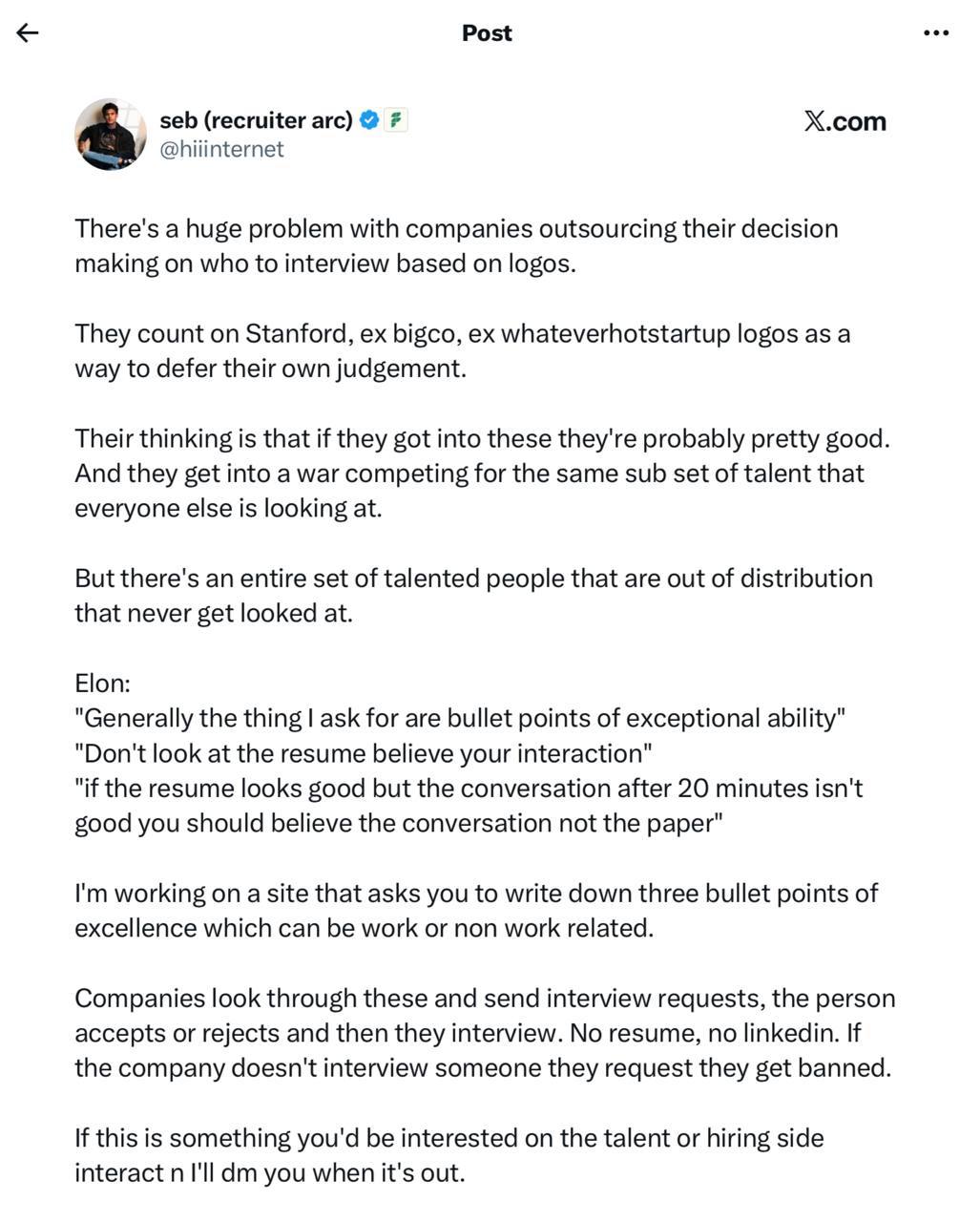
When proven technical capability is discarded simply because the candidate's previous employer lacked a famous logo, the recruitment process suffers from strategic blindness.
The Cost of Snobbery: Homogeneity and Lost Talent
Allowing this bias to dictate hiring practices brings severe consequences for both individual companies and the wider tech ecosystem.
First, it kills innovation and cognitive diversity. When an organization limits its talent pool to an exclusive circle of top-tier alumni, it creates an ideological echo chamber. Teams end up recycling the exact same mental models, cultures, and approaches, because everyone was trained in the same handful of corporate environments.
Second, it drives widespread candidate burnout. Exceptional professionals who lack "prestige vanity" on their resumes find themselves hitting an invisible glass ceiling. When real merit fails to break through corporate elitism, top talent either loses faith in the hiring ecosystem or leaves it entirely, refusing to play a rigged game.
Breaking the Closed Loop with Refriend
To move past this outdated paradigm, the job market needs a fundamental shift a mechanism that transfers hiring trust from where you used to work to what you can actually do. This is precisely where Refriend redefines the landscape of HR technology.
Refriend shatters the exclusive, closed loop of brand snobbery. In the traditional model, a resume is a vanity display; if it lacks certain logos, it gets filtered out by automated systems. Refriend changes the core metrics of evaluation. When an internal referrer inside a target company vouches for your technical capabilities, execution, and professional ethics, the playing field is instantly leveled.
An internal referral through Refriend sends a powerful, high-signal message to hiring teams: "This specialist possesses the exact skills to solve your problems, regardless of whether their last company was a household name." Refriend builds the bridge that ensures your actual competence speaks louder than the absence of a top-tier logo, returning the focus of recruitment to what matters most: true meritocracy.
The "Brand Snobbery" syndrome remains one of the largest obstacles to genuine meritocracy in the modern corporate world. Forward-thinking organizations must realize that elite talent is not monopolized by a few massive corporations. It is time to replace superficial filters with networks built on trust, verified competence, and peer endorsement. Through platforms like Refriend, this evolution is underway ensuring that no qualified professional is ever locked out of their career goals just because of a missing logo.