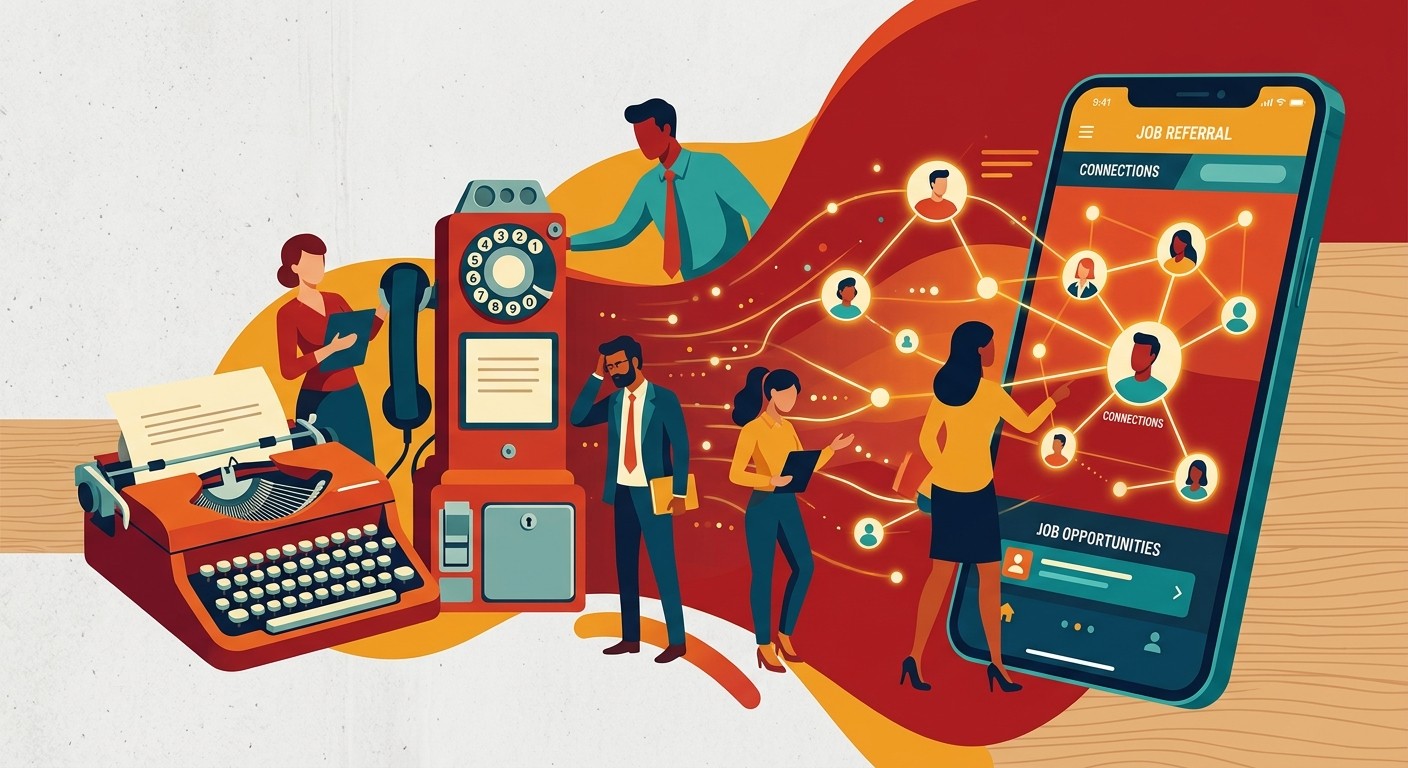


In today’s fast-paced digital world, finding a new job often comes down to a few simple clicks, uploading a resume to a hiring platform, or sending a quick message on social media. But if we rewind the clock by fifty years, securing a job was a radically different, physical, time-consuming process that relied entirely on traditional relationships. Throughout all these years and despite monumental technological shifts, the concept of a Job Referral has consistently remained one of the most reliable and trusted channels for acquiring top talent. In this post, we trace the fascinating 50-year evolution of job referrals—from paper notes and newspaper ads to the era of LinkedIn and today's structured platforms.
1970s–1990s: The Era of Paper Notes, Newspaper Classifieds, and Landlines
In the 1970s and 1980s, the job hunt was deeply rooted in printed newspaper ads and physical forms. Job seekers had to type up paper resumes, mail them in envelopes to company addresses, or hand-deliver them to reception desks, followed by weeks of waiting by the phone.
How did job referrals work in such an environment? Everything was entirely informal, manual, and based on direct personal acquaintance. When an opening arose, employees would write down the name of a friend, classmate, or former colleague on a slip of paper and leave it on the HR manager's desk. Manual networking and personal connections held ultimate sway. While this approach offered high levels of trust, it suffered from two major flaws: a lack of transparency and extremely limited scalability. Referrals remained confined to immediate personal circles, no data was tracked, and neither party could follow up on the status of an application.
1990s–2000s: The Rise of Job Boards and the First Steps into Digitalization
As the internet expanded into homes and offices during the 1990s, the recruitment landscape underwent a major transformation. The history of job boards demonstrates how early websites successfully migrated job listings from print newspapers to online pages.
With online job posts leading to an influx of resumes, companies quickly realized that direct employee referrals still yielded the highest-quality hires while reducing costly recruitment expenses. Consequently, early internal referral programs emerged using email or simple sections on company intranets. However, the process remained largely manual and messy: referral emails got lost in crowded inboxes, and employees who referred candidates rarely knew where their friends stood in the interview pipeline or why they were rejected.
2010s: The LinkedIn Era, Mass Networking, and New Challenges
The 2010s marked the dominance of professional social networking. Examining the evolution of LinkedIn shows how it transformed from a simple resume database into a massive professional network that completely redefined professional networking. A look at LinkedIn's growth timeline over the years reveals how much easier it became to reach decision-makers and employees at target companies.
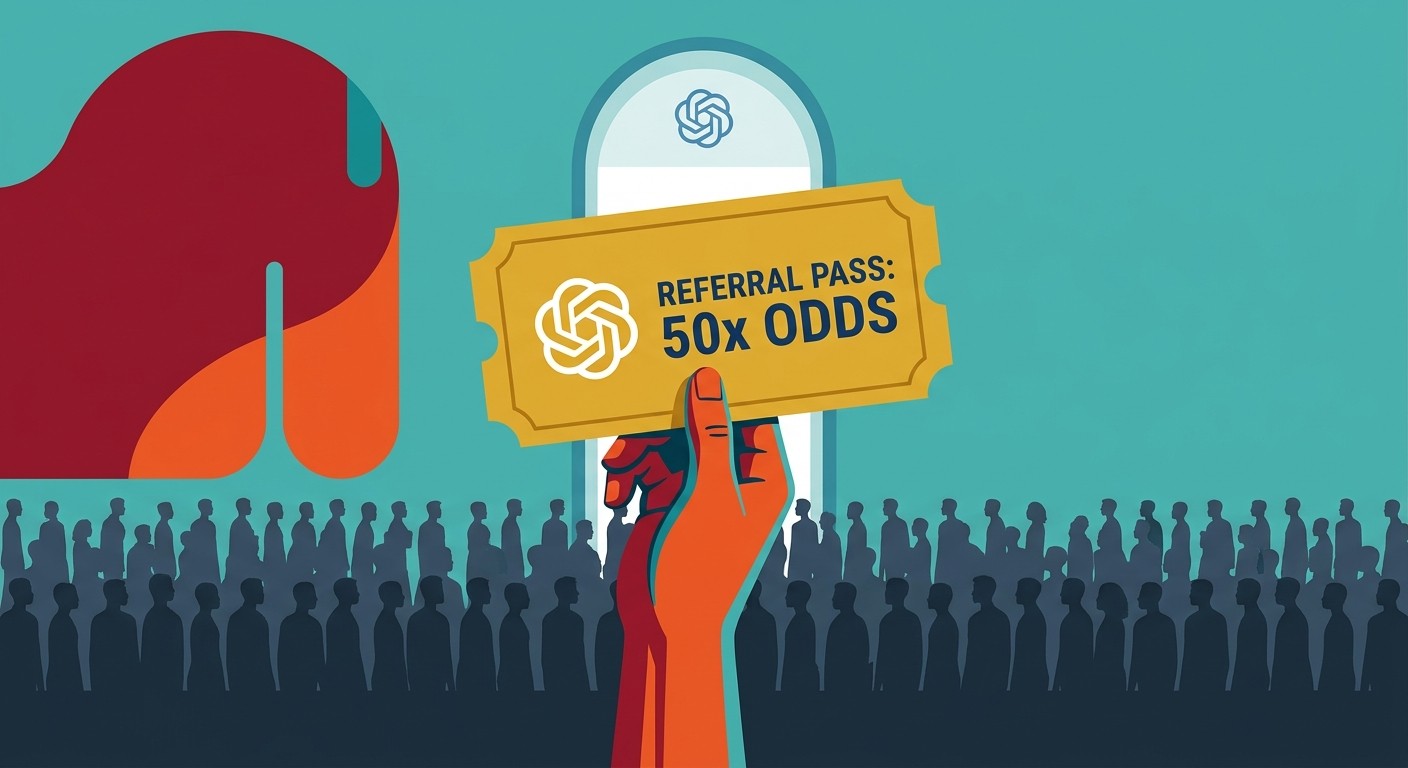
During this era, referrals shifted from traditional offline connections to direct messages (DMs). Candidates searched LinkedIn to identify employees at target companies and message them directly asking for a referral. Hiring data clearly indicated that having a referral significantly increases the odds of landing a job interview and offer.
However, this widespread access brought new challenges:
Request Fatigue: Employees were bombarded daily with referral requests from strangers, making it nearly impossible to vet candidate quality.
Lack of Structure and Incentives: Tracking and submitting referrals remained tedious for employees, and clear reward systems for external network referrals were largely absent.
Present Day: Algorithms and Specialized Referral Platforms (The Rise of Refriend)
Today, we stand in the era of intelligent algorithms and specialized referral platforms. The modern job market has moved past random outreach and unanswered LinkedIn messages toward structured, transparent, and intelligent workflows.
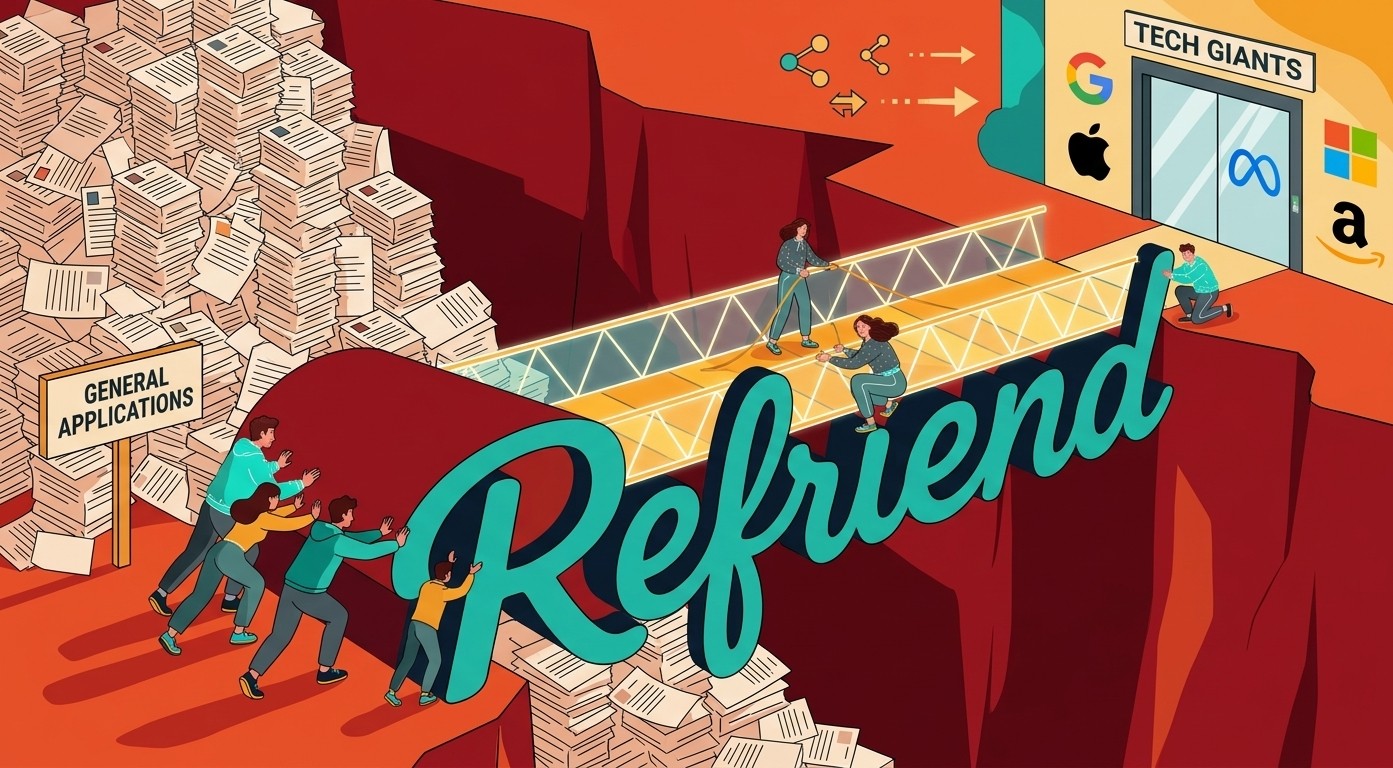
Modern platforms like Refriend were built specifically to address the missing links of the past 50 years. In this new generation of platforms:
Networking becomes structured: A referral is no longer a personal favor or an ignored inbox message; it is a transparent process with clear tracking, defined stages, and quality evaluation.
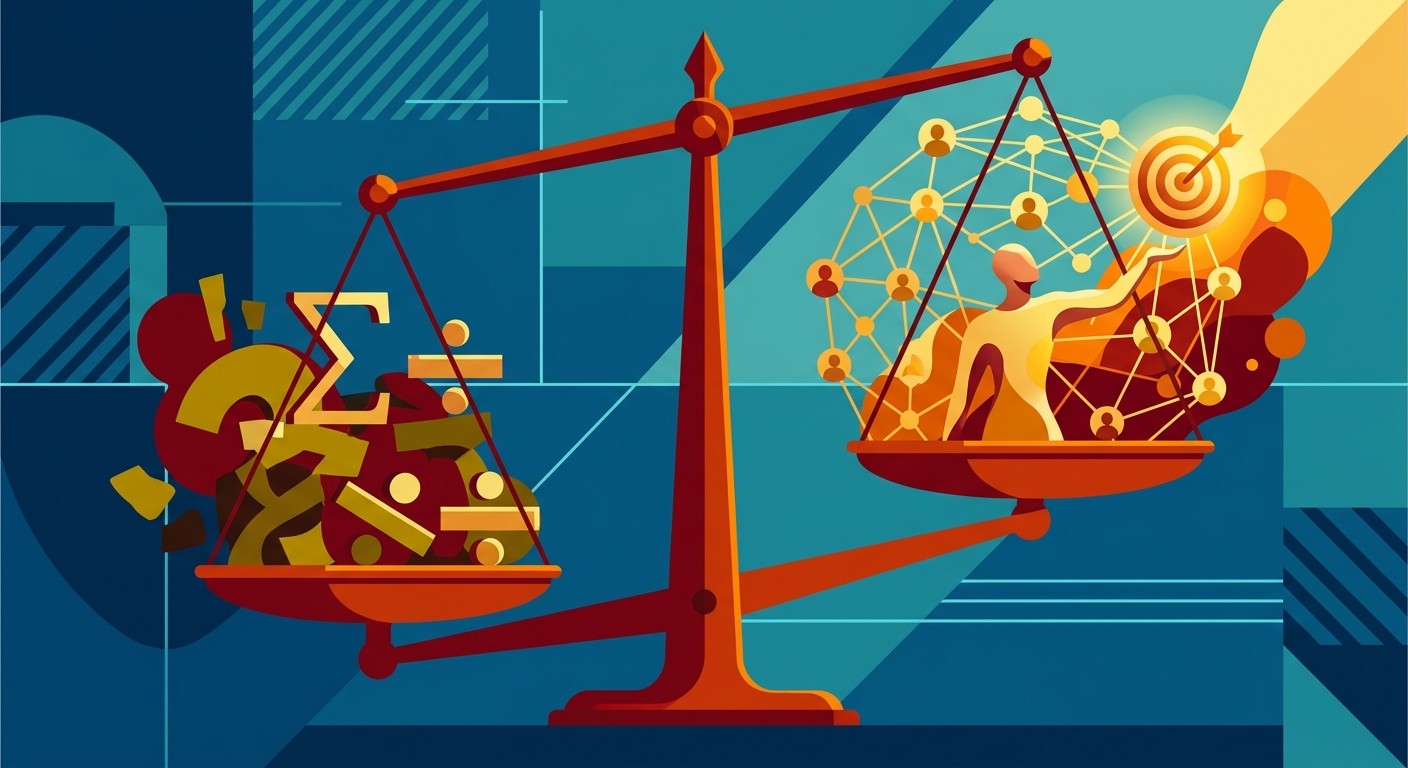
Algorithms assist human connection: Matching job opportunities with candidates is driven by verified skills, relevant experience, and effective network connections.
Incentives and Gamification: Referrers gain clear rewards, recognition, and incentives, while job seekers gain direct access to the hidden job market.
The 50-year journey of job referrals is a compelling story of moving from a paper note on a manager's desk to smart algorithms. Yet, across all five decades, one core psychological pillar of hiring has remained unchanged: Trust.
While technologies, tools, and platforms have evolved from landlines and newspaper classifieds to LinkedIn and dedicated modern platforms like Refriend the ultimate goal remains the same: connecting qualified talent to the right opportunities through trusted human channels. Today, a job referral is no longer a random stroke of luck or a simple favor it is an essential, intelligent infrastructure shaping the future of work.