

Imagine you are a senior manager at a major tech enterprise, tasked with selecting just one person from a pool of ten candidates for a critical team lead role. You flip through the resumes. One applicant graduated from the exact same university as you, dresses in a similar style, and lists under personal interests: "Passionate about third-wave coffee and surfing." During the interview, you feel an instant connection everything just "clicks." Ultimately, you extend the offer, telling yourself, "They are an incredible cultural fit."
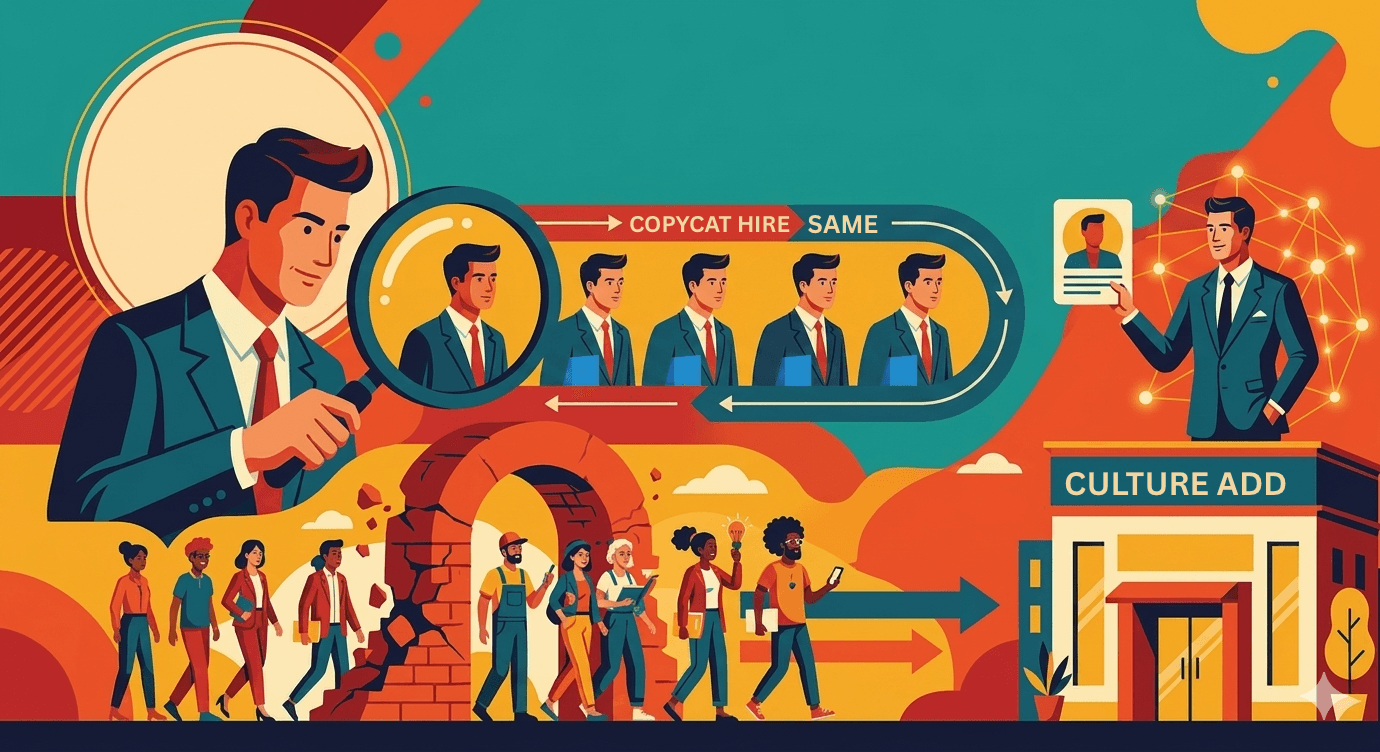
But behind those satisfying smiles in the interview room, a dark and costly cognitive error is at play. In organizational psychology, this phenomenon is known as "Affinity Bias," or more colloquially, the "Copycat Syndrome." The reality is, you didn't just hire a brilliant talent; you placed a mirror in front of yourself, and your company is paying for it with a deficit in innovation.
When "Cultural Fit" Becomes a Trap
The term "cultural fit" entered the human resources lexicon with good intentions; the goal was to hire individuals aligned with an organization's core values. Today, however, this concept has morphed into a fallacy the Cultural Fit Fallacy. Managers subconsciously mistake cultural fit for personal similarity.
Scientific data reveals that the human brain, seeking to conserve energy and minimize perceived threats, naturally gravitates toward people whose behavior is predictable and similar to its own. According to research from the Kellogg School of Management, during interviews, many managers spend less time assessing objective job skills and more time wondering: "Is this someone I'd enjoy stuck with at an airport waiting for a delayed flight?"
The consequences of this approach are stark:
The Creation of Echo Chambers: When every team member thinks alike, the output of ideas becomes uniform and stagnant.
The Death of Creativity: Creative talents, independent thinkers, and individuals from diverse backgrounds whether sociological, geographical, or academic are filtered out in the very first stage simply because they aren't "like us."
What Do the Numbers Say? Looking into the Abyss
This isn't just an intuitive claim; the statistical data is unyielding:
Less Innovation, Lower Revenue: According to McKinsey & Company’s comprehensive global studies on organizational diversity, companies that fall into the trap of cultural homogeneity and rank in the bottom quartile for diverse thinking and backgrounds are 27% more likely to underperform on profitability relative to their more innovative competitors.
The Hidden Bias of Resumes: Research indicates that resumes highlighting specific elite universities (so-called Tier-1 institutions) or luxury hobbies shared by hiring managers enjoy up to a 3x higher chance of being invited for an interview, even if their technical proficiency is lower than other candidates.
Without realizing it, managers are cloning themselves within the organization. This means companies pay a premium for recruitment, only to end up with recycled solutions for brand-new challenges.
The View from the Top: A Group CHRO's Viral Perspective
This shift in mindset is sparking critical conversations at the highest levels of global HR. As a Group CHRO recently shared in a viral LinkedIn post:
"For years, organisations have sought culture fit hiring people who blend seamlessly into existing norms. While this ensures harmony, it also risks sameness. The future belongs to culture add. Every new colleague should not just fit in but also bring something unique fresh perspectives, diverse experiences, and bold ideas that enrich our collective strength. Culture fit builds comfort. Culture add builds greatness... Culture fit preserves who we are; culture add empowers who we can become."
How "Refriend" Shatters This Iron Wall
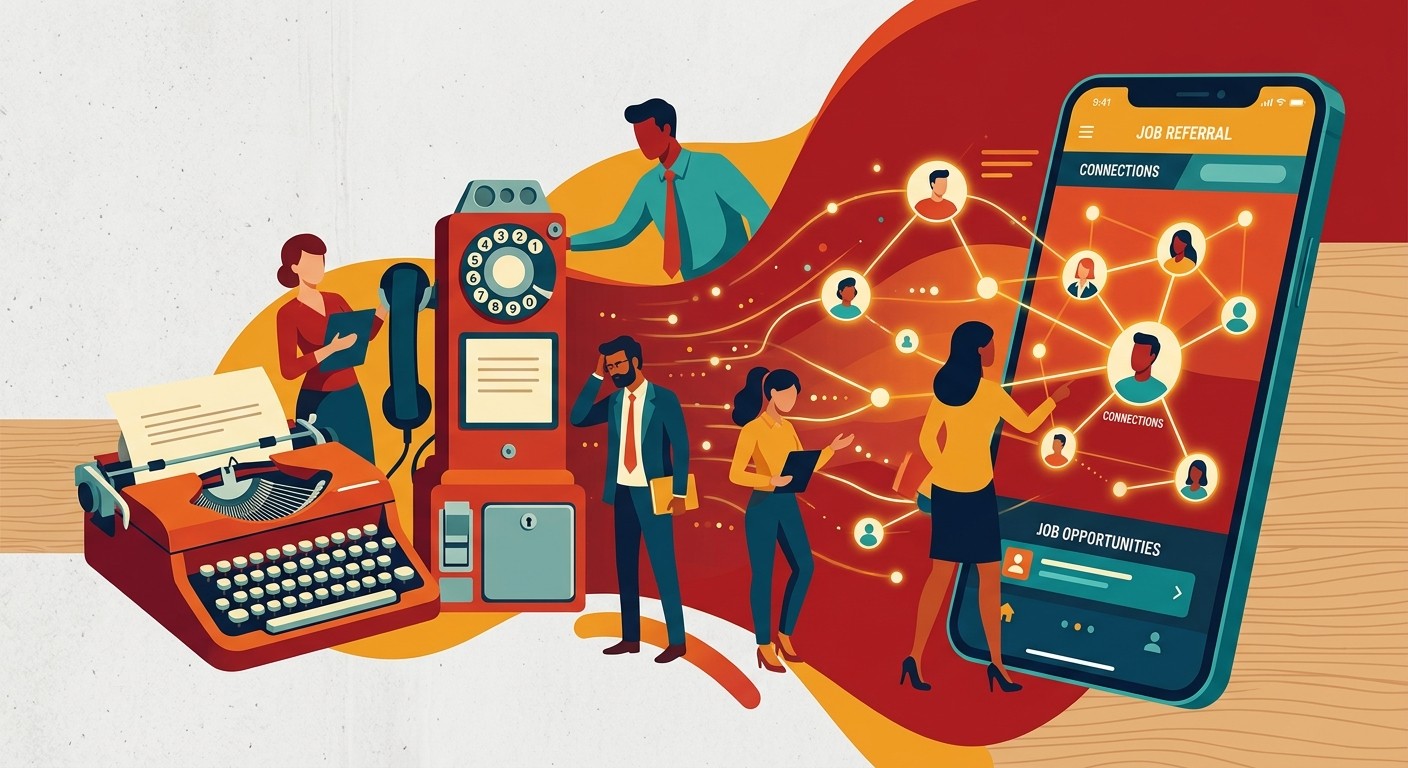
But how do leaders bridge this gap and shift their organizations from the comfort of "Culture Fit" to the power of "Culture Add"? This is exactly the pain point where Refriend steps into the playing field.
Breaking the Copycat Syndrome from inside the interview room is incredibly difficult, primarily because the interviewing manager is usually blind to their own implicit biases. In a traditional recruitment pipeline, a resume from an unconventional applicant or someone outside the manager's immediate circle is quickly discarded by automated algorithms or initial biased screening.
However, when a candidate is introduced through the global network of Refriend via an internal referrer, a powerful shift occurs:
The Transfer of Default Trust and Legitimacy: An internal referrer has already successfully cleared the organization’s trust and culture filters; they are a validated insider. When they vouch for a candidate through Refriend, they lend their own internal equity to that resume. This endorsement actively shatters the affinity bias in the manager's mind. The manager no longer views the candidate as an "unfamiliar outsider," but rather as a legitimate, highly credible prospect.
Shifting Focus back to Skill, Not Similarity: Referrers on Refriend recommend individuals based on verifiable competence and actual capability, not based on whether they shared a college campus with the hiring manager. This shortcut allows diverse, highly creative talent to bypass the invisible barrier of the cultural fit fallacy, placing them directly onto the desks of decision-makers.
Hire Your Complement, Not Your Copy
The Copycat Syndrome drives organizations toward stagnation and hyper-conformity. A company navigating today's fast-paced tech landscape and competitive markets cannot survive, let alone innovate, with a team of lookalikes who think in lockstep. Forward-thinking leaders don't hire people who are identical to them; they hire people who complement them and elevate the organization's culture.
Leveraging a platform like Refriend is no longer a luxury it is a strategic imperative. By utilizing a trusted network of internal advocates, organizations can finally open their windows to authentic, independent, and diverse talent, rescuing the recruitment process from the trap of blind similarity.