

The Referral Bonus: A Big Lie? Why HR Avoids Paying That $15k Reward
In the world of Human Resources (HR), the Referral Bonus is often marketed as the ultimate win-win-win scenario: the employee gets a fat check, the company finds top-tier talent, and the candidate lands a dream job. But if you look behind the curtain of modern corporate hiring, you’ll find that these lucrative bonuses sometimes reaching a staggering $15,000 for specialized tech roles often act more like a "plastic carrot" dangled in front of employees to harvest their networks for free.
Many employees, after referring their most talented friends or former colleagues, are met with a wall of silence, automated rejections, or "technical excuses" when it comes time to pay. In this article, we explore how traditional hiring systems effectively swallow your bonus and why your referrals often get lost in the dark, bureaucratic hallways of HR.
1. The "Invisible" Clauses: Legal Traps in the Fine Print
To avoid cutting large checks, companies hide strict rules in the "Terms & Conditions" that few employees ever bother to read until it’s too late.
The 90-Day Rule (The Retention Trap):
This is the most common hurdle. Bonuses are usually only paid if the new hire stays for at least 90 days or in some tech giants like Google or Meta, up to 6 months. If the person resigns on day 89 due to a better offer or a poor cultural fit, your bonus drops to zero. The company benefits from months of high-level labor, while you get nothing for your effort.
"Candidate Ownership": This is a particularly frustrating clause. If your friend applied for a completely different role five years ago, their resume is already in the company's database. Under many policies, this person is no longer a "new lead," disqualifying you from the bonus even if you were the one who convinced them to leave their current job.
Agency Conflicts: If a headhunter or external agency submitted your friend's resume at any point, companies will almost always prioritize the agency to avoid legal friction, completely ignoring your internal referral.
2. Why ATS Systems
"Assassinate" Your Referral
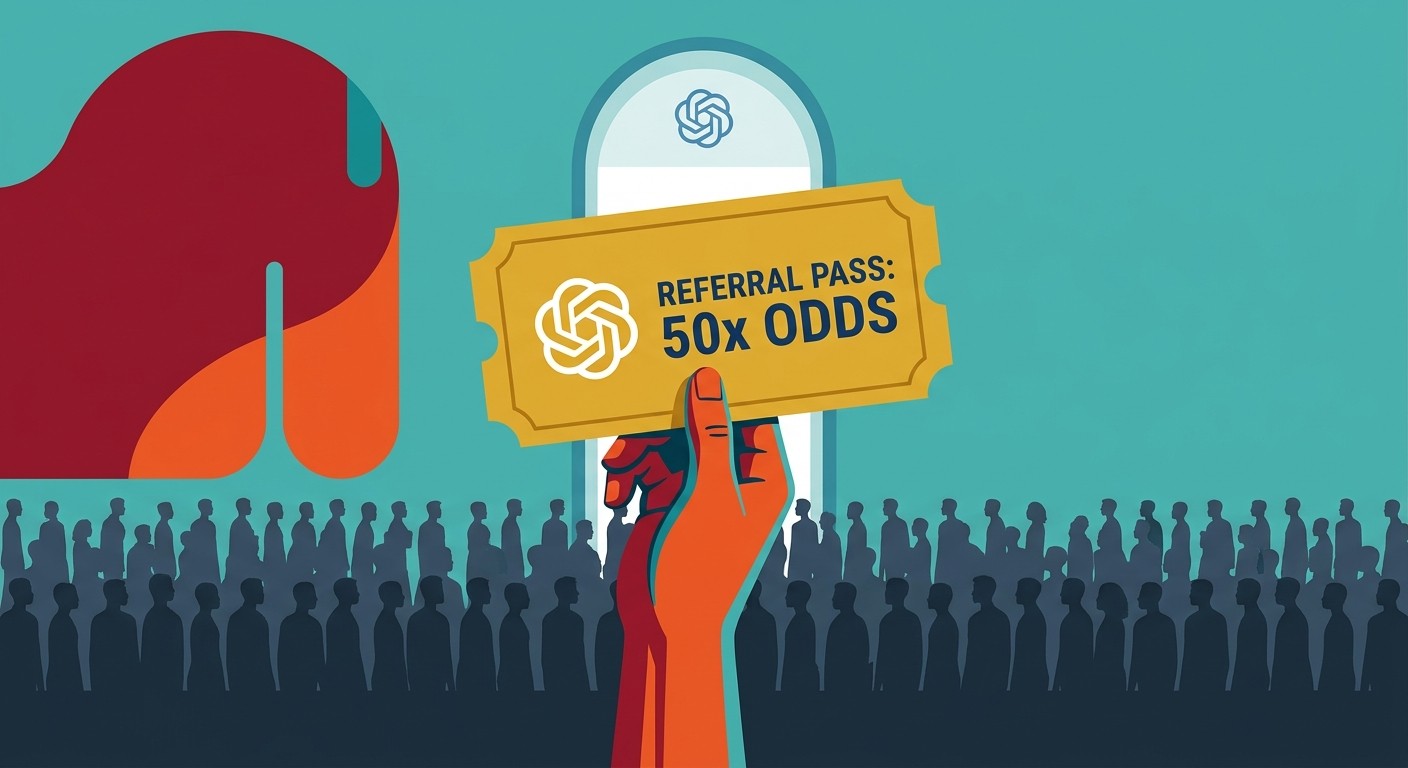
You might assume a referral link grants your friend an express pass to an interview. However, heated discussions on platforms like Reddit and Blind reveal a harsher truth:
Applicant Tracking Systems (ATS)treat referrals no differently than "cold" applications unless they pass the initial bot filter.
Statistics show that roughly 75% of resumes are filtered out by bots before a human even blinks. If your friend’s resume doesn't meet the rigid, often outdated ATS standards, HR might never even realize they were referred by a top performing employee. You’ve essentially handed over your professional network to a machine that is programmed to say "No."
3. The Economic Reality: Profiting from "Non-Payment"
Hiring a Senior Engineer through a recruitment agency is expensive, costing about 20% to 30% of their annual salary.
For an engineer with a $150,000 salary, the company would owe an agency roughly $45,000.
When a company offers you a $15,000 bonus, they have already "saved" $30,000 in recruitment fee.
HR departments are under constant pressure to lower the "Cost per Hire." Therefore, any technicality used to disqualify your bonus whether it's a missed deadline or a database technicality results in higher net profit for the company’s quarterly balance sheet. You are essentially doing the work of a professional recruiter for a fraction of the cost, and often for no pay at all.
4. The Hidden Cost: Damaged Personal Relationships
This is the biggest lie of the referral bonus: the company offloads the "reputational risk" onto you.
When you refer a friend, you put your professional credibility on the line. If the company’s hiring process is disorganized, or if your friend is ghosted by a recruiter, you are the one who has to answer for it at the next dinner party. Many people risk long-standing professional relationships and their own internal reputation for a bonus that the system is designed to withhold.
The root cause of these failures is the lack of transparency and the "black hole" nature of internal HR systems. You have no visibility into the process, and you have no power to advocate for your candidate once the "Apply" button is clicked.
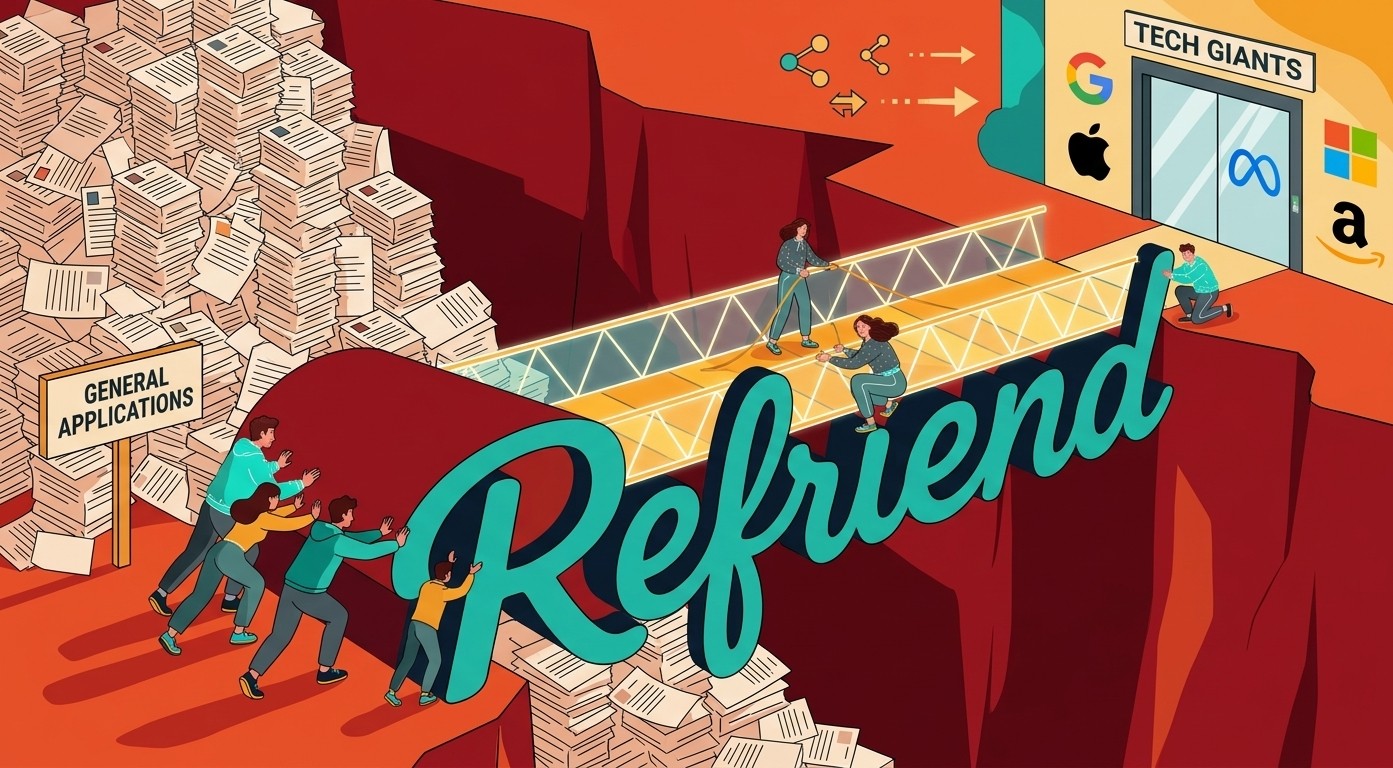
This is where platforms like Refriend step in to fix the broken model. At Refriend, the goal isn’t just a dry cash bonus; it’s about creating a transparent network of "Verified Referrers" who actually have a stake in the outcome.
Shadow-Free Process:
The journey from application to hire is visible, removing the "hidden excuses" used by internal HR.
Direct Connection:
A direct line is established between the candidate and the referrer, ensuring success is based on expertise and genuine fit rather than internal office politics.
Professional Empowerment:
Refriend helps you transition from being an "unpaid, exploited marketer" for your company to a Professional Facilitator, helping talented peers enter global giants like Amazon, Google, and Microsoft with confidence.
Break the Cycle
The referral bonus isn't always a scam, but it's rarely as guaranteed as the job ads suggest. Before you count on that $15k check to pay for your next vacation, read the internal policies carefully and recognize the game for what it is.
In traditional systems, you are working for the benefit of the HR budget. If you want to truly help your peers and reclaim the value of your professional network, it's time to move toward platforms like Refriend that prioritize human connection and transparency over bureaucratic red tape.
Final Word: Don't let your network become a free resource for a system that doesn't value your contribution. Refer smarter, not harder.