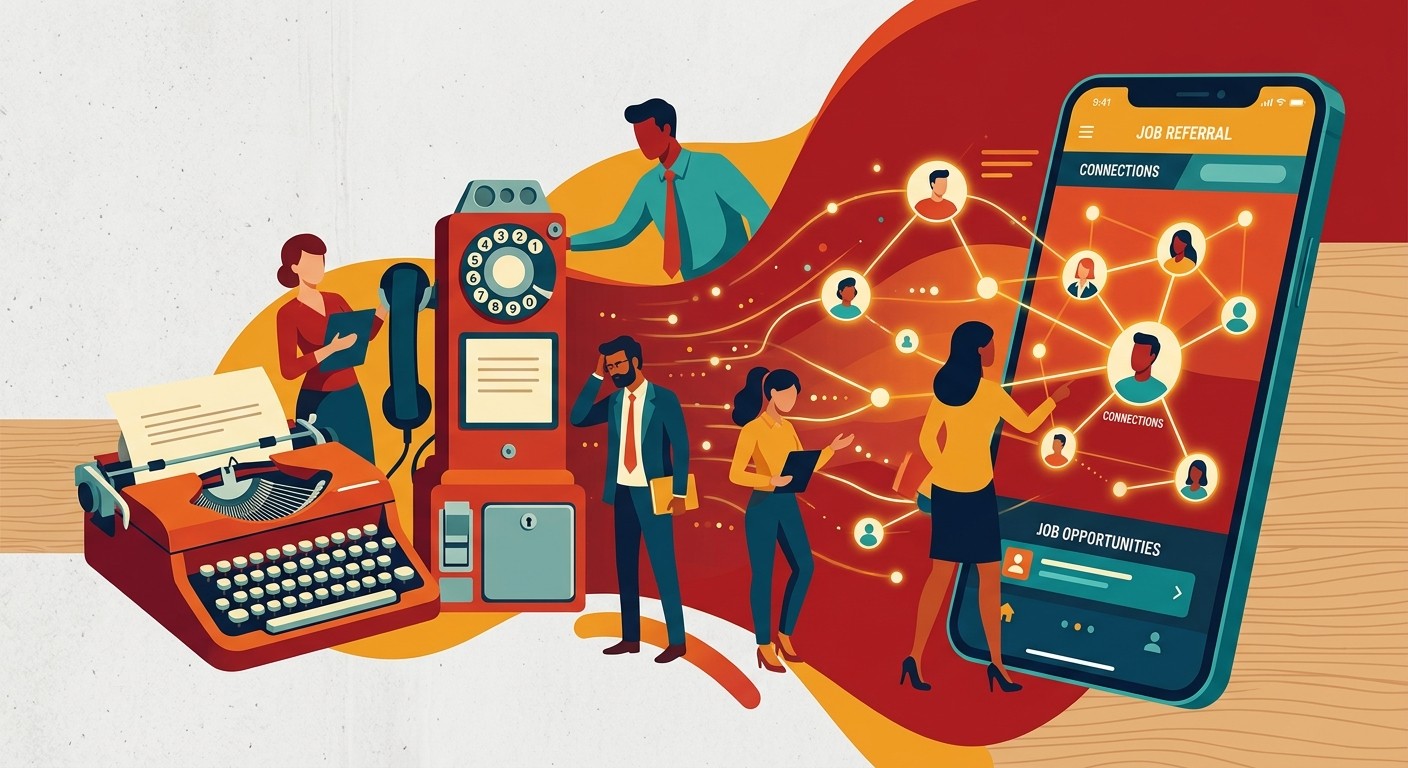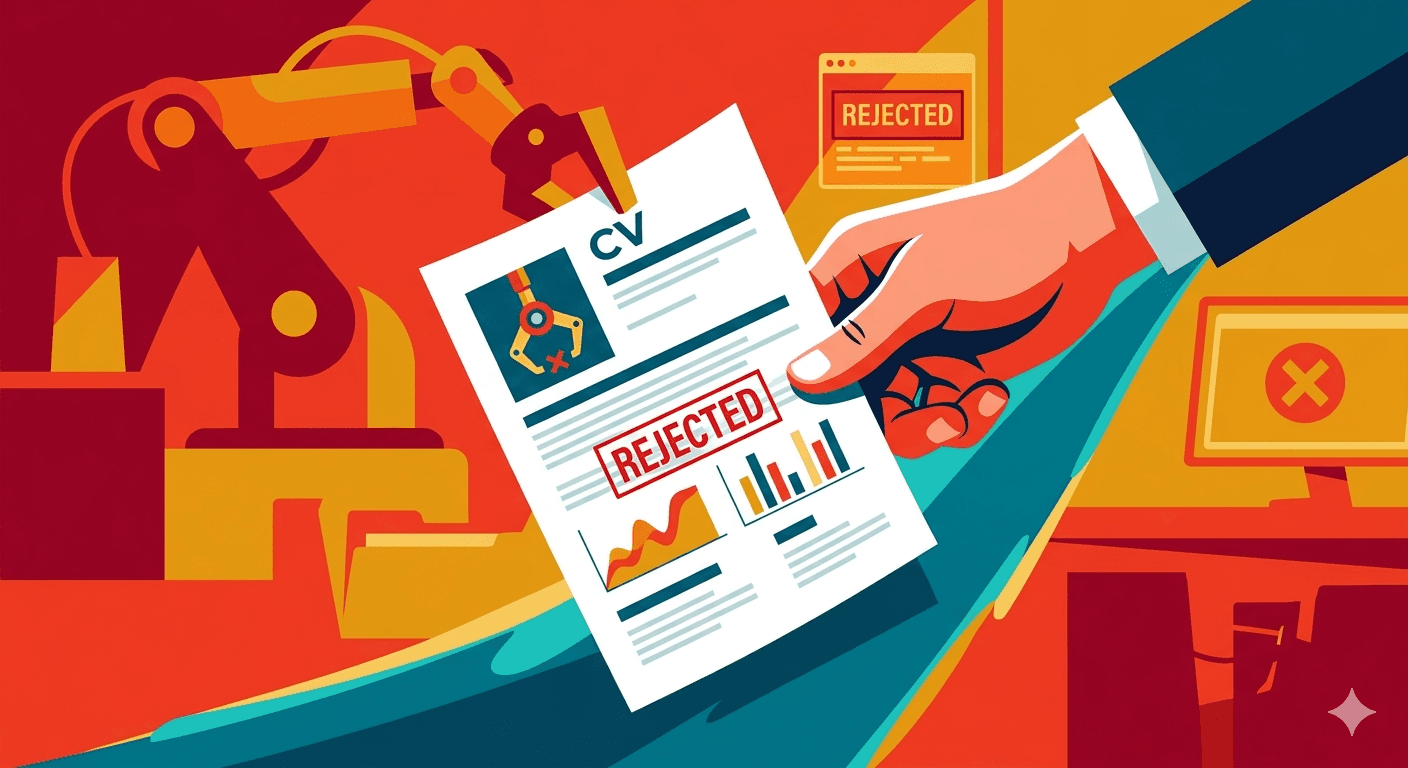


In the past decade, the world of recruitment sought refuge in algorithms, lured by the promise of "efficiency." Applicant Tracking Systems (ATS) and AI were supposed to eliminate bias, but by 2026, we are witnessing a massive backtrack. We live in an era where AI builds resumes and another AI reviews them a vicious cycle where "humanity" and "authenticity" have been lost.
1. The Crisis of "Fake Resumes" and AI Noise
According to recent reports from data analysis platforms like Forbes Advisor and SHRM, over 75% of resumes are rejected by algorithms before a human eye ever sees them. However, a larger problem has emerged: AI-optimized resumes. Candidates have learned how to game the system.
When resumes prioritize keyword stuffing over reflecting actual skills, hiring managers face "The Great Disconnect": a candidate who looks like a 10/10 on paper but lacks the necessary authenticity and competence in interviews and the actual workplace.
2. The Power of Social Proof in an Era of Distrust
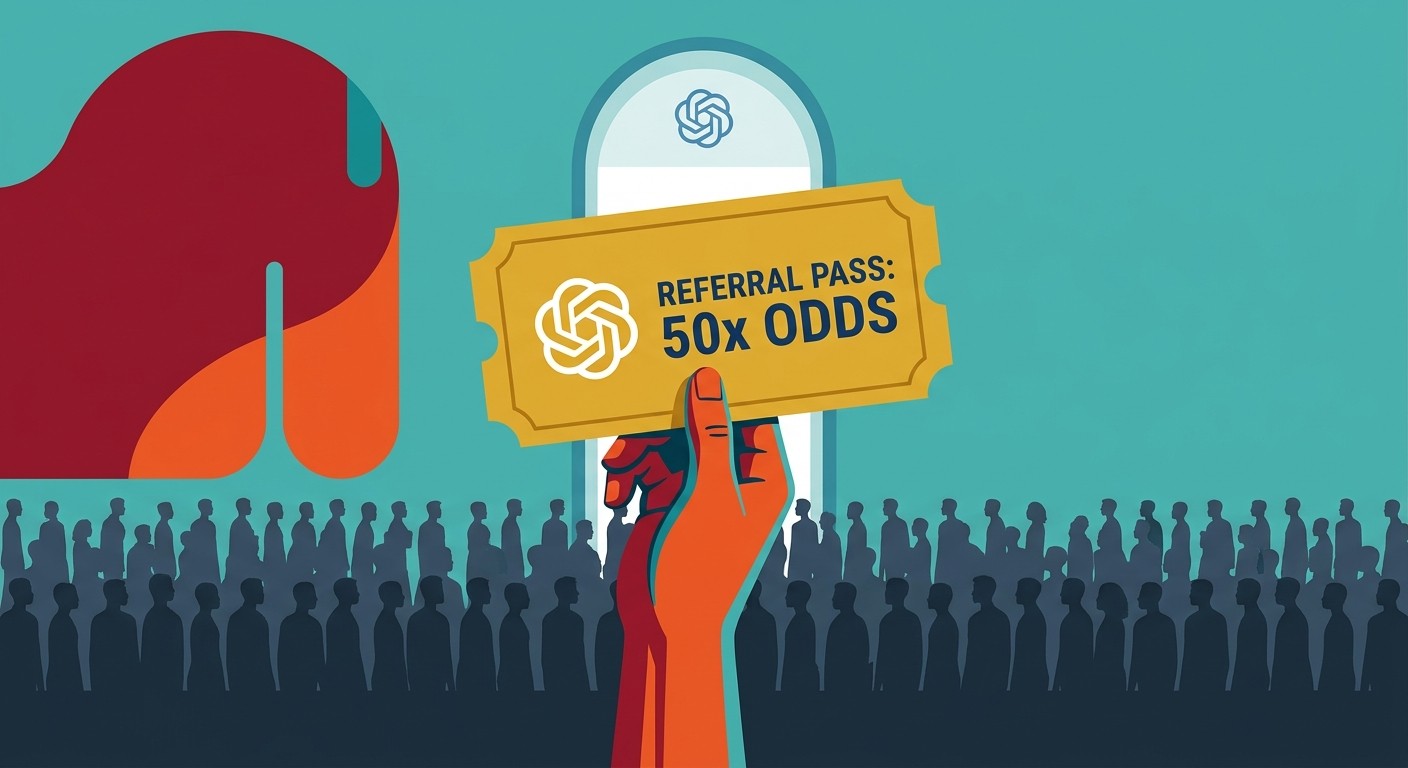
Why does "referral" or human recommendation still hold the highest success rate? (According to LinkedIn Talent Solutions, the probability of being hired through a referral is 4 times higher). The reason is the "Transfer of Credibility." When a trusted professional refers someone, they are essentially vouching for that person's authenticity and work ethic—qualities no algorithm can measure.
In viral LinkedIn posts this year, many Chief Human Resources Officers (CHROs) have emphasized that in a world saturated with fake data, "Trust" has become the most valuable currency in recruitment.
3. The Heavy Cost of "Inauthentic" Hiring
Algorithmic hiring might be faster in the initial stages, but the cost of a "Bad Hire," as estimated by Northwestern University, can be up to 15 times the individual's annual salary. Authenticity-based hiring—facilitated through human networks and genuine endorsements—increases candidate retention by up to 45%.
Case Study: When Authenticity Breaks the Algorithmic Deadlock
To better understand the difference between algorithmic and authenticity-driven hiring, let’s look at a real-world scenario in the tech market. Imagine a major corporation seeking a Senior Product Manager. The company’s ATS is set to automatically filter out any resume lacking an MBA from a top-tier university or experience at a "Big Five" tech firm.
The Subject: A candidate with 10 years of brilliant experience launching successful startups in emerging markets, but with a bachelor's degree from an average university.
The Algorithmic Outcome: The resume was rejected in less than 2 seconds. Why? Because the keywords for "University Name" and "Tier-1 Brands" were missing. The algorithm couldn't understand that this individual grew a product's market share by 300%; he was seen only as a "pattern mismatch."
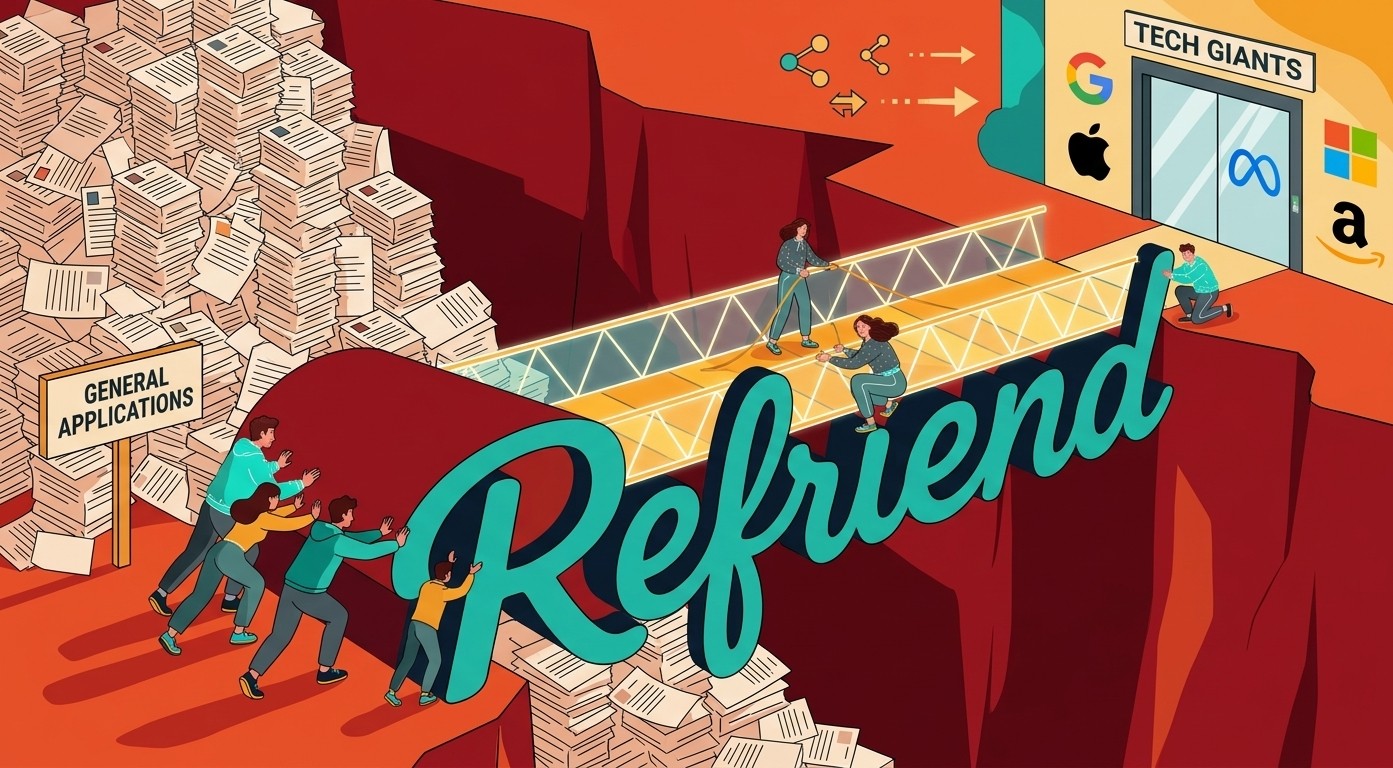
The Authenticity Outcome (Referral): A current manager who had previously collaborated with this individual referred him through a verified referral platform like Refriend. He noted: "This candidate might not have big brands on his resume, but his ability to lead teams through a crisis is unparalleled."
The Result: After the interview, the technical and management teams realized he was far stronger than any of the "algorithm-friendly" candidates. He was hired and significantly increased team productivity within his first year.
Analysis: Why did the algorithm fail?
Algorithms operate on a sense of "False Security." They assume hiring someone from Google is "Low Risk." However, human authenticity-checking seeks "High Value." According to an article in the Harvard Business Review titled "The Flaw in Recruitment Algorithms," an over-reliance on pedigree causes companies to lose up to 33% of their potential innovation by filtering out those who think outside the box.
Authenticity: The Antidote to "Ghost Jobs" and Burnout
Furthermore, while algorithms have birthed the phenomenon of "Ghost Jobs" where positions remain open just to harvest resume data, authenticity-based hiring makes the process tangible and real. When a human acts as the bridge between two parties, moral commitment and transparency increase.
Data released by LinkedIn shows that candidates who enter a company through human networks and endorsements stay 45% longer than those coming through general job boards. This means authenticity doesn't just improve hire quality; it drastically reduces replacement costs.
Beyond Keywords
We stand at a point where "Authenticity" is the primary differentiator in the labor market. Algorithms might read resumes, but humans build your organization's culture. To break through the deadlock of machine-driven hiring, we must return to the power of referral and verification.
Platforms like Refriend are symbols of this return to truth a place where skills are measured not by keywords, but by the credibility of colleagues and experts. Let us stop hunting for resumes and start discovering human beings.